Author :


Abstract
Keywords
Abstract
Aim:
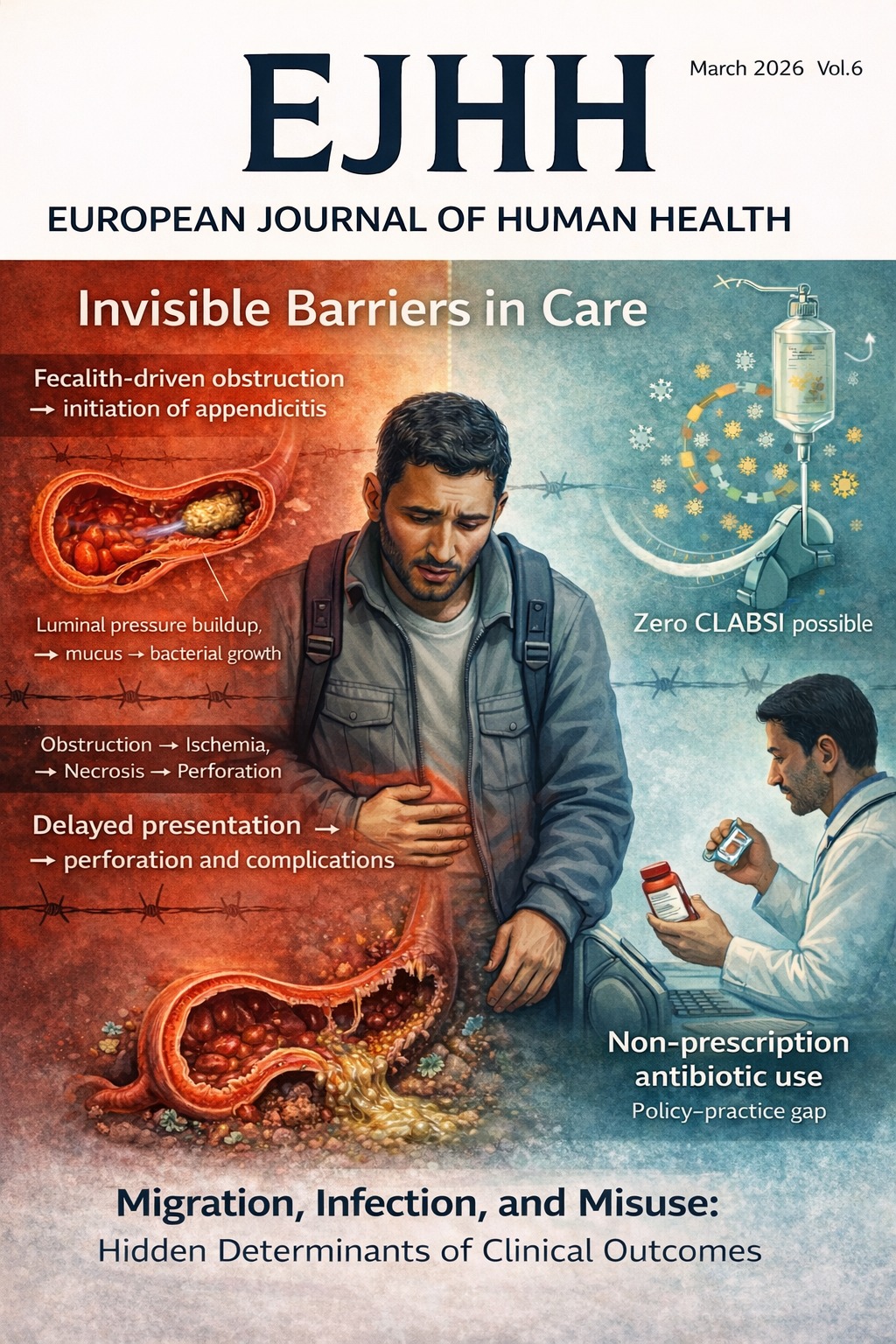
Central venous catheters (CVCs) are essential in intensive care units (ICUs) but carry a substantial risk of central line–associated bloodstream infections (CLABSIs). This study aimed to evaluate temporal changes in CLABSI rates following the implementation of targeted, sequential interventions within a quality improvement framework.
Methods:
This prospective observational study was conducted in the Internal Medicine Intensive Care Unit of a tertiary-care hospital between January 1, 2023, and February 28, 2024. Surveillance data were analyzed across five consecutive periods. Interventions were implemented sequentially and included structured staff education, introduction of 2% chlorhexidine gluconate (CHG)-impregnated dressings, and use of CHG wipes.
Results:
A total of 589 patients (3,819 patient-days) were included. CLABSI rates demonstrated temporal variability but showed an overall downward trend, decreasing from 14.46 to 4.76 per 1000 line-days following interventions. This reduction was accompanied by a decline in the standardized infection ratio (SIR) from 1.36 to 0.45. In the final surveillance period, no CLABSI events were observed, despite persistently high device utilization.
Conclusion:
Sequential implementation of education and chlorhexidine-based interventions within a structured surveillance framework was associated with a substantial reduction in CLABSI rates in a newly established ICU. These findings highlight the potential effectiveness of bundled infection control strategies, while emphasizing that results should be interpreted within a quality improvement context rather than as evidence of causal relationships.
Keywords
Infection control, chlorhexidine gluconate, central line-associated bloodstream infection, central line bundle, intensive care unit